Hi, I’m Robyn, and welcome to Otaku Odyssey!
Today’s post is for anyone who’s brand new to anime — or maybe curious but unsure where to start. My goal is to help you build a bit of foundational knowledge so that even if you’ve never seen a single episode, you’ll come away with a clearer understanding of what anime is, the culture around it, and why so many people are drawn to it.
What Even Is Anime?
In the simplest terms, anime (AN-ih-may) refers to animated series and films that originate from Japan. In Japanese, anime literally just means animation of any kind, but in English, we use it specifically for Japanese animation. Much of anime is targeted for teens and young adults, but I would definitely say that much of the content is more so intended for mature audiences rather than younger audiences (although there are certainly anime appropriate for children, not the majority of anime titles).
More than half of all anime are adapted from Japanese graphic novels called manga (MAHN-guh). Others come from light novels (Japanese books written in accessible language with manga-style illustrations), video games, or other forms of literature. A smaller portion are original works with no pre-existing source material.
Anime is often recognized by its distinctive visual and emotional style — expressive characters, colorful art, and layered storytelling. While these traits aren’t present in every series, they’re common hallmarks. It’s also worth noting that anime isn’t a genre (like action or romance); it’s a medium, containing every genre imaginable.
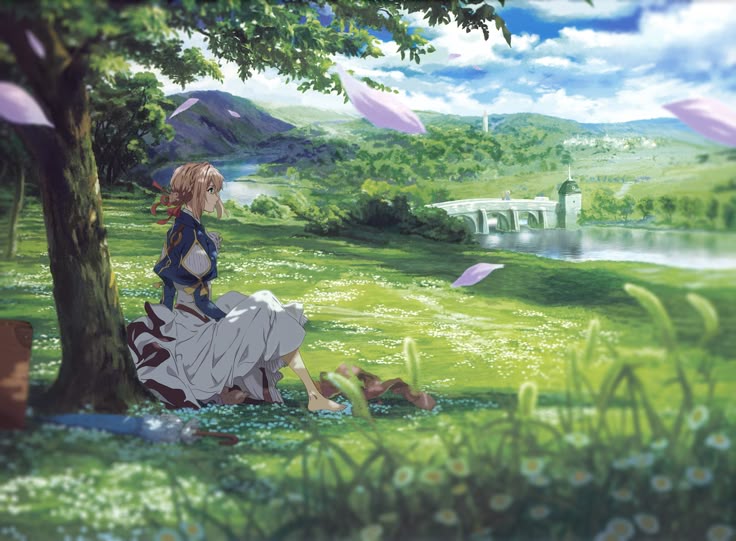
My Preconceptions of Anime (and How I Was Wrong)
I never judged anyone for liking anime, but my understanding of it was very limited. Growing up in a rural area, I didn’t have much exposure to it. I could recognize a few major characters — Luffy from One Piece, Deku from My Hero Academia, Goku from Dragon Ball Z, and Pikachu — but that was about it.
I made unfair generalizations without ever giving anime a fair chance. I assumed it was all loud, over-the-top, and fanservice-heavy — especially based on the posters I’d seen from popular series like Fairy Tail or My Hero Academia. Seeing how often characters were sexualized online didn’t help, either. I lumped all anime together as one big monolith, not realizing how incredibly diverse it actually is.
I also didn’t know what to make of the exaggerated expressions or character tropes that are part of anime’s storytelling language. So instead of learning, I just wrote it off as “not for me.” But I couldn’t have been more wrong.
My husband helped bridge that gap by introducing me to Avatar: The Last Airbender — which, while American, clearly draws inspiration from anime’s visual style and storytelling. From there, he showed me my first real lineup: Attack on Titan, Haikyu!!, To Your Eternity, and Mob Psycho 100. We also watched an assortment of Studio Ghibli films along the way.
Those shows completely flipped my perspective. I realized how varied anime truly is — not just in visuals or genre, but in tone, theme, and emotional depth. Granted, I started with series that avoided heavy tropes or fan service, but that was enough to make me curious and more open-minded.
There’s an anime out there for nearly everyone.
Even if you don’t love all anime, the medium is so broad that you can almost always find a series that resonates with you. The quality of storytelling, music, and emotional range blew me away — and the key is simply staying open-minded and finding the right starting point for you.
Where to Begin: My Beginner-Friendly Anime Lists
If you’re new to anime and just want a place to start, I’ve created a few beginner-friendly charts to help guide your choices. Most of these series are ones I’ve personally watched and loved, but I’ve also included a handful that weren’t exactly my cup of tea yet are widely considered great entry points for newcomers.
I grouped them by tone and genre to help you find something that matches your preferences in books or film. The lists are spoiler-free but detailed enough that you won’t be going in blind.
A Quick Note About Older vs. Newer Anime
You’ll probably notice that most of my recommendations lean toward newer anime. That’s not because I don’t enjoy older series — far from it! Many of them have phenomenal stories and unforgettable characters. But I’ve found that for someone completely new to anime, starting with more recent series is often a smoother experience.
Older anime can sometimes include tropes, pacing, or visual styles that might feel jarring if you don’t yet have a sense of anime’s storytelling rhythm. Once you’ve gotten more comfortable with the medium, those quirks often become charming (or even nostalgic), but as a first impression, they can be off-putting if you’re not prepared for them.
So think of these recommendations as a gentle introduction (relative to the individual, of course) — a way to ease in before exploring the full, rich history of anime later on.
My Recommendations
When it comes to animated series, here is what I suggest when it looking for a particular tone of story:
Epic Action & Adventure
- One Piece
- Fullmetal Alchemist: Brotherhood
- Naruto
- Demon Slayer
- Jujutsu Kaisen
- Solo Leveling
Dramatic, Emotional, & Reflective
- Frieren: Beyond Journey’s End
- To Your Eternity
- Violet Evergarden
- Fruits Basket (2019)
- Your Lie in April
- The Apothecary Diaries
Wholesome, Cozy, and Quirky
- Spy x Family
- Delicious in Dungeon
- Haikyu!!
- Zenshu
- Mob Psycho 100
- Ouran High School Host Club
Dark & Intense
- Attack on Titan
- Death Note
- Cyberpunk: Edgerunners
- TO BE HERO X*
- Link Click*
- The Summer Hikaru Died
*NOTE: TO BE HERO X and Link Click are actually Chinese animated series (donghua), not technically anime but very similar in style.
Romantic & Heartfelt
- Horimiya
- From Me to You
- Yona of the Dawn
- A Sign of Affection
- Yuri!!! On Ice
- Snow White with the Red Hair
Anime Films: An Introduction Alternative
If you are interested in a lower time commitment, I’d definitely recommend just about any of the Studio Ghibli films, especially ones that were directed by Hayao Miyazaki. Here are some of my favorites, plus a couple of other excellent stand-alone films from other studios:
Studio Ghibli Films
- Howl’s Moving Castle
- Spirited Away
- Laputa: Castle in the Sky
- Princess Mononoke
- My Neighbor Totoro
- Kiki’s Delivery Service
- Nausicaa of the Valley of the Wind
- Porco Rosso
- The Secret World of Arrietty
- When Marnie Was There
Other Films
- Your Name
- Suzume
- A Silent Voice
- Weathering with You
Customizing Your Anime Experience
If you would like more information about the anime series before making any time commitments, I have divided some info to aid you into two different charts. The first chart gives you a broad sense of tone and genre.
I also created a supplemental chart for anyone who wants to take a more customized approach to finding their first anime in case there are aspects you are picky about or value in stories.
This one goes a little deeper and includes:
- General setting (modern, fantasy, sci-fi, historical, etc.)
- Whether it’s character- or plot-driven
- The main character’s gender
- Whether it includes queer or LGBTQ+ characters
- If there’s a quality English dub available
- The presence or type of fan service
- Completion status of the series and its source material(s)
- An approximated length of the series (Note: Ongoing series have numbers that change, so it’s only up-to-date at the time of publishing this post.)
I built this chart because I know our preferences — and our comfort levels — can really shape how easily we connect with a story. My goal is to help you have the best possible first experience with anime, one that fits your interests and values.
Final Thoughts

Wherever you begin, remember that anime is vast and full of surprises. Even if you only end up loving one or two series, that’s still enough to open a whole new world of storytelling.
And if you think you “don’t like” certain genres, I encourage you to try something unexpected. I’m the furthest thing from a sports fan, yet Haikyu!! — an anime about volleyball — became one of my all-time favorites. I’d definitely try giving an assortment of titles a try since many are vastly different and consider circling back at a later time if it doesn’t fit the mood you are looking for. Try watching the first 6-12 episodes of a series if you can, whether it’s in Japanese with subtitles or with an English dub. Do whatever makes your introduction a comfortable and pleasant experience, but please keep an open mind to the things that may feel unfamiliar.
Best wishes if this marks the beginning of your anime journey — I hope you find something that speaks to you! I wish you safe travels on your otaku odyssey.
 Otaku Odyssey || Anime
Leave a comment