Hi, I’m Robyn— and welcome to Otaku Odyssey!
Whether you’re brand-new to anime or you’ve been marathoning since dial-up, let me ask you this: how well do you actually understand anime categories? Even if you’re certain you know the difference between a demographic and a genre, I encourage you to stick around and test that confidence. Today, we’re breaking down the most common category labels in anime — with extra love for the four demographic giants that quietly run the industry behind the scenes.
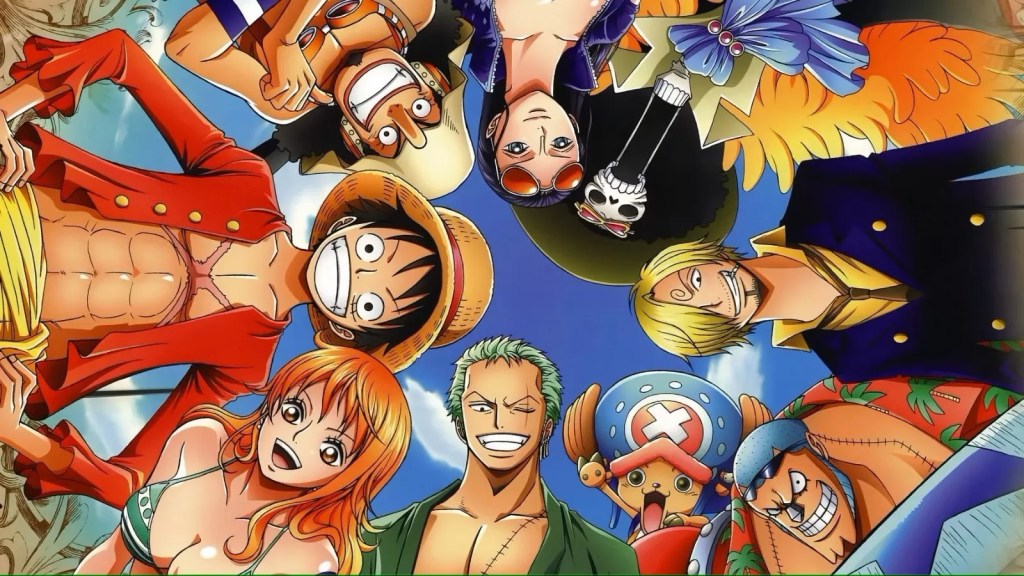
But Aren’t There Just Shonen and Shojo?
When I first got into anime years ago, I only knew a handful of labels — shonen, shojo, action, romance — basically the starter pack. This rudimentary knowledge, as it would turn out, was just the tip of the iceberg. Many people pick up the idea that shonen = action for boys and shojo = romance for girls. And while that sounds tidy and convenient, it’s also wildly inaccurate. In reality, the labeling system is a whole ecosystem, and honestly? It’s a lot more interesting (and chaotic) than most people realize.
So let’s untangle it — cleanly, calmly, painlessly.
The Primary Demographic Categories
Most anime series — past and present — start their lives as manga. Manga is usually serialized in weekly or monthly magazines, and each of those magazines has a target age demographic. When a story gets published in one of them, it inherits that demographic label by default.
This label says who the publisher markets to, not what the story is actually about.
Here are the four big ones:
- Shonen (SHOH-nen): boys, ages 12–18
- Shojo (SHOH-jo): girls, ages 12–18
- Seinen (SAY-nen): men, ages 18–40 (sometimes older)
- Josei (JOH-say): women, ages 18–40
There’s also a smaller but important fifth category:
- Kodomo (KOH-doh-moh): children
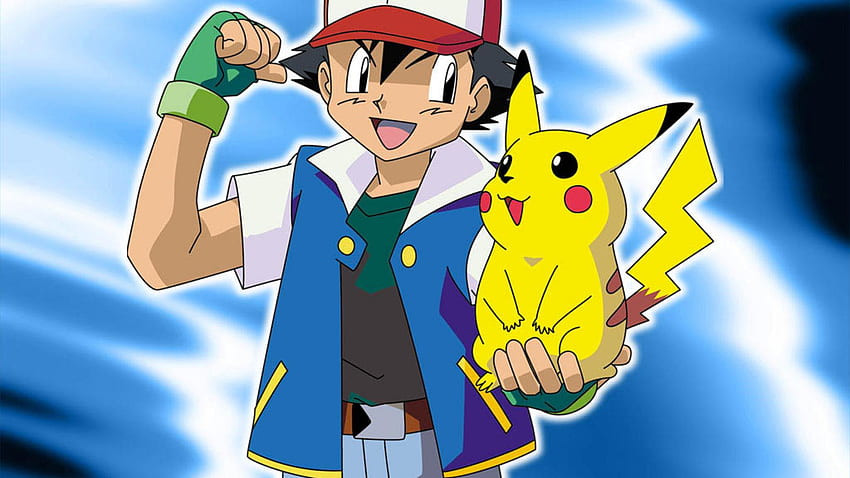
A key thing to note: stand-alone anime films usually aren’t adapted from manga and therefore don’t get demographic labels. Instead, they’re classified using the age-rating system of whatever region they’re released in — G, PG, PG-13, R, and so on.
Manga publishers also assign their own content ratings (these aren’t universal):
- All Ages
- Teen (T)
- Older Teen (OT/16+)
- Mature (M/18+)
So don’t assume “shonen” or “shojo” means “appropriate for all teens.” Trust me — some shonen will emotionally destroy you and some shojo will absolutely not hold your hand.
I desperately want to go deep on how these demographics evolved and shaped the entire manga/anime ecosystem — because the history is absolutely fascinating and changed how I view the medium entirely — but that deserves its own dedicated post. So let’s keep moving.
Genres & Sub-Genres in Manga & Anime
Below is a streamlined guide to the most common narrative genres and sub-genres you’ll encounter. Think of this as your map of the narrative landscape.
Slice of Life
Stories about everyday life — friendships, family, work, or personal growth. Usually calm, comforting, or introspective.
Examples: Kaguya-sama: Love is War, Natsume’s Book of Friends, Kakuriyo: Bed & Breakfast for Spirits
Action / Adventure
Fast-paced stories involving fights, journeys, or missions. High energy and high stakes.
Examples: One Piece, Demon Slayer, Fullmetal Alchemist: Brotherhood
Romance
Centers around love and relationships, from sweet and lighthearted to emotional or bittersweet.
Examples: Fruits Basket, From Me to You, Your Name
Drama
Character-driven stories about emotion, conflict, and growth. Often overlaps with other genres.
Examples: Your Lie in April, Violet Evergarden, Attack on Titan
Supernatural / Fantasy
Involves magic, spirits, or fantastical worlds — ranging from whimsical to dark and epic.
Examples: Yu Yu Hakusho, Frieren: Beyond Journey’s End, Delicious in Dungeon
Science Fiction / Mecha
Explores technology, space, or robots — often with philosophical or futuristic themes.
Examples: Cyberpunk: Edgerunners, Neon Genesis Evangelion, Cowboy Bebop, Gundam
Horror / Psychological
Designed to unsettle or provoke thought. Can involve monsters, mental tension, or moral dilemmas.
Examples: Death Note, Paranoia Agent, The Summer Hikaru Died
Sports
About competition, teamwork, and self-improvement. Even if you’re not into sports, the emotional storytelling often hits hard.
Examples: Haikyu!!, Yuri on Ice, Blue Lock
Mystery / Thriller
Focuses on suspense, secrets, or investigation. Often blends with psychological or sci-fi elements.
Examples: Erased, Banana Fish, the Promised Neverland
Isekai (EE-seh-kigh) / (異世界)
Literally “another world.” A character is transported or reincarnated into a different world and must adapt or survive there.
Examples: Re:Zero, Sword Art Online, That Time I Got Reincarnated as a Slime
School / Coming-of-Age
Explores adolescence, friendship, and identity — often set in schools or familiar social settings.
Examples: Horimiya, A Silent Voice, Dan Da Dan
Historical / Pseudo-Historical
Set in real or inspired historical periods, sometimes with fantasy or action elements.
Examples: The Apothecary Diaries, Moriarty the Patriot, The Tale of the Princess Kaguya
Comedy
Anime that lean on humor — from absurd and slapstick to clever and self-aware.
Examples: Ranma 1/2, Jojo’s Bizarre Adventure, Ghost Stories (Dub)
Other Marketing & Content Categories
These aren’t genres. They aren’t demographics. They’re marketing categories, shelving tags, or content labels — but they’re hugely important for discovering the kinds of stories you want.
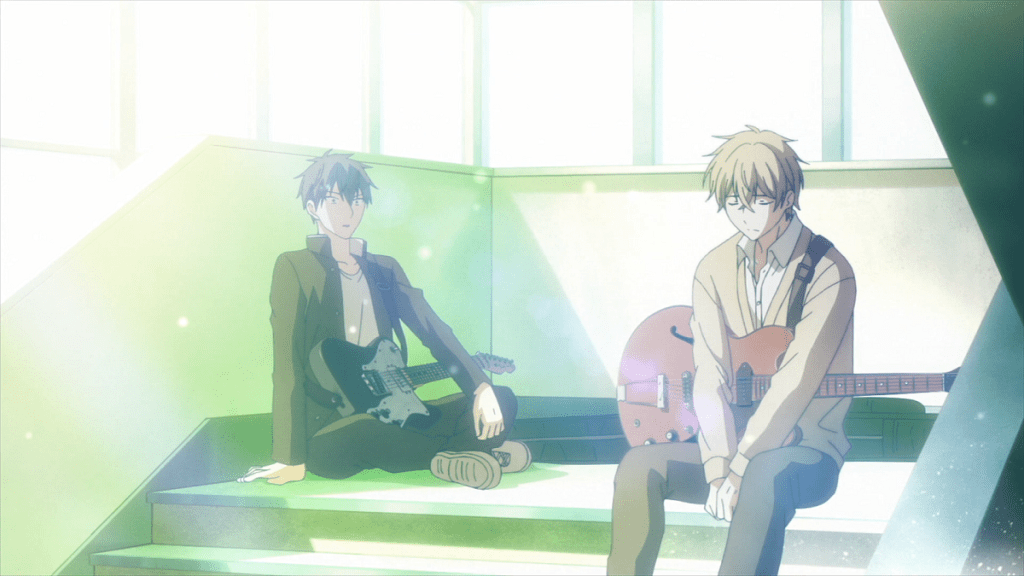
BL (Boys’ Love) / Yaoi (YOW-ee)
What it is:
Romantic or sexual relationships between male characters.
Focus = the relationship, not sexual orientation labels.
What it’s not:
- Not automatically LGBTQ+ representation, although it can be
- Not tied to any demographic
- Not defined by author intention alone
GL (Girls’ Love) / Yuri (YOO-ree)
What it is:
Romantic or emotionally intimate relationships between women.
What it’s not:
- Not demographic-specific
- Not automatically explicit
- Overlaps with LGBTQ+ themes but isn’t always about that
Harem
One central male character, many female suitors. Romance chaos as a structural feature.
Reverse Harem
Same dynamic as a harem, but with a central female lead and multiple male romantic interests.
Common in shojo, josei, and otome adaptations.
Ecchi (EH-chee)
Sexy, silly, flirtatious fan service.
Think “playfully risqué,” not explicit.
Typical elements: accidental nudity, innuendo, beach episodes, gravity-defying boob physics.
Hentai (HEN-tigh)
Let’s not beat around the bush. Hentai is explicit sexual content. That’s it. That’s the category.
Final Thoughts
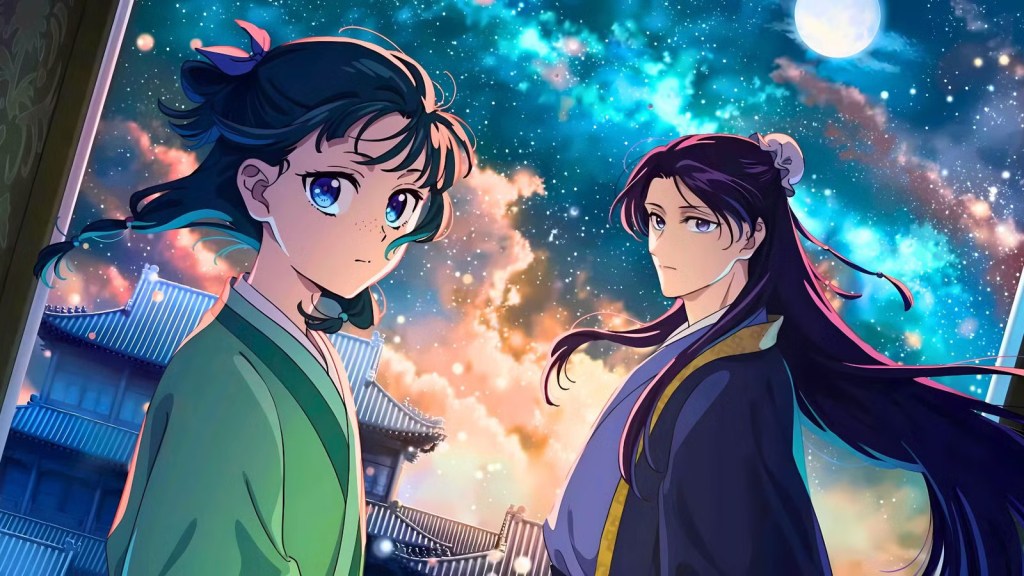
It’s vital to remember that manga and anime rarely fit cleanly into one box. Labels can be useful, but they’re also marketing tools — not holy scripture. A “shonen romance” might have more emotional depth than a typical shojo series. A “shojo drama” might hit harder than any gritty seinen.
Let categories guide you, not limit you.
Stories blur, bend, and break boundaries all the time. Let yourself meet each one on its own terms.
In my next post, I’ll be diving deeper into shonen, shojo, seinen, and josei — their histories, their quirks, their social impact, and how understanding them reshapes the way you read manga or watch anime. These systems cracked my brain open in the best way, and I can’t wait to share that journey with you.
Until then, I wish you safe travels on your otaku odyssey.
 Otaku Odyssey || Anime
Leave a comment