Hi, I’m Robyn—and welcome to Otaku Odyssey.
This blog (and its future YouTube channel) is something of a spontaneous venture for me. A few months ago, after finding some unexpected inspiration, I thought to myself: “What the hell, why not?” I’ve always been more introverted than extroverted, so the idea of putting myself out there feels a little daunting. But at the same time, it feels exciting to take the plunge and share something meaningful with others.
To be transparent, this is my first attempt at creating structured, public-facing content. And yet, I’ve chosen to start with a subject that I’ve become deeply passionate about over the past few years: anime. Sharing my thoughts feels a little scary, but it also feels right, because anime has come to mean a lot to me—not just as entertainment, but as a lens through which I think differently about storytelling, culture, and media.
Before I dive into future posts, I want to begin with a proper introduction. In the spirit of an old-fashioned story structure, this post will be divided into three acts:
- Who I Am – some background about me and my interests.
- How I Was Introduced to Anime – the story of how I fell into this world.
- My Plans for This Blog and Channel – what kind of content you can expect from me moving forward.
So, without further ado, let’s begin.
Act I: Who Am I?
blah, blah, blah
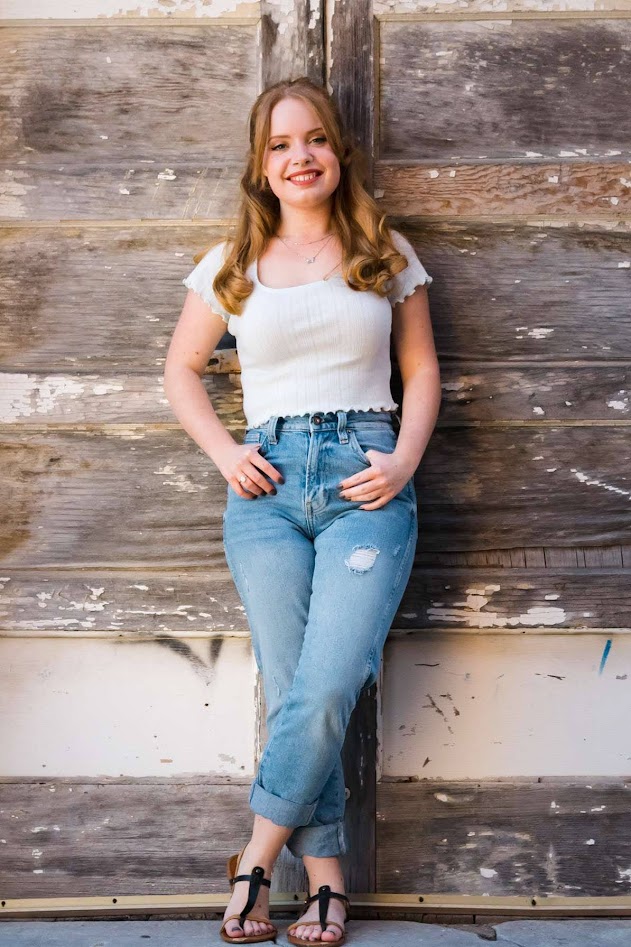
blah blah blah
I am a 25-year-old university graduate from the American Midwest, and in recent years I’ve been working as a technical writer and content editor. At my local university, I majored in English (Literature & Culture) and minored in Music. Along the way, I changed degree programs a couple of times, which gave me the opportunity to study a wide variety of disciplines outside my final program. My coursework spanned music (theory and performance), literature, linguistics, secondary education, psychology, gender studies, sociology, and, of course, writing.
Outside of academics, I’ve always been drawn to creative and cultural pursuits. I was a lifelong choir and band kid (self-taught on piano and alto saxophone), and I also spent time involved with my university’s association for international students. Beyond school, I’ve picked up plenty of interests over the years, including drawing, video games, learning other languages, and playing Dungeons & Dragons with my friends.
As far back as I can remember, I’ve had a deep affinity for art, history, fantasy, whimsy, period dramas, and soundtracks. I realize that some of these details might not seem strictly relevant to the kind of anime content I want to create, but I think they matter. They shape the way I experience stories and the way I approach my analysis here.
At the end of the day, I want to emphasize that while my goal is to inform and entertain, I’m still a person with passions and quirks on the other side of the screen. My background and experiences naturally influence my preferences and interpretations. That said, I will always strive to be clear when I’m speaking from a subjective standpoint versus when I’m aiming for something more objective.
I don’t consider myself an expert in any one of the areas I’ve studied or dabbled in, but I do believe I have a broad base of foundational knowledge that will shape my perspective in meaningful ways. And that, I think, is part of what makes my voice unique.
Act II: My Introduction to Anime
I’ll be completely honest: I didn’t grow up watching anime.
There were several reasons for this. First and foremost, my family didn’t have internet or cable television at home for most of my childhood—and even well into my college years. At home, my options were limited to DVDs, VHS tapes, and the occasional show I caught while visiting friends or relatives. I could, of course, use the internet at school or other people’s houses, but for the most part my media world felt pretty small and insulated.
Beyond that, I grew up in a very rural area, I had fairly protective parents, and I was generally ignorant of what anime even was. I never judged or thought less of people who enjoyed it, but outside of a vague awareness of Pokémon and a few older-generation Shonen shows, I simply didn’t know enough to be curious. Even in college, when some of my closest friends were officers in our university’s anime club, I still never felt any peer pressure to watch. I just assumed anime wasn’t for me. (And, wow, was I wrong.)
My first “introduction,” if you could even call it that, came years ago when an ex-boyfriend spontaneously put on a couple random episodes of My Hero Academia. It didn’t click for me at the time—and honestly, it wasn’t the best starting point. Things didn’t really change until my now-husband decided to introduce me to anime more intentionally.
He began with Avatar: The Last Airbender. I know it’s technically not anime, but it was the perfect bridge between the familiar world of Western animation and what was waiting for me beyond it. After that, he took a sharp turn and had me watch Attack on Titan. That show became my first official anime—and it was the one that completely shattered my assumptions. My perspective on storytelling, animation, and Japanese media shifted in a way that made me realize just how much I’d been missing.
From there, the door was wide open. I discovered the magic of Studio Ghibli films (fun fact: my husband and I choreographed our first dance at our wedding to “The Merry-Go-Round of Life” from Howl’s Moving Castle), which gave me a sense of comfort and nostalgia because of how much they reminded me of the Disney movies I grew up with. Then came series like Haikyuu!!, To Your Eternity, and Mob Psycho 100. I loved them all—so much so that I was even surprised by my enjoyment of Haikyuu!!, given that I am far from a sports enthusiast.
Eventually, I started venturing out on my own. At first, I gravitated toward Shojo and romance series. One of the first that really captured me was the 2019 adaptation of Fruits Basket—a show that has meant so much to me that it even inspired my first (and currently only) tattoo. To this day, Fruits Basket remains one of my favorites, both for its story and the personal significance it carries.
As I watched more series, I also began doing my own research outside of the shows themselves. I wanted to understand the cultural context behind what I was seeing—what was exaggerated for storytelling versus what reflected real life in Japan. I mostly relied on credible sources online, but I also read forum discussions and personal anecdotes from fans who had firsthand experience living in Japan. Little by little, I built a more informed perspective, which has been invaluable for someone like me who has never lived in or visited Japan. For what it’s worth, my sister-in-law is Japanese and was raised in Japan, which gives me a small, personal connection to the culture through family.
Since then, I’ve watched 50+ series across a range of genres and categories. With every new show, I’ve learned more about the incredible variety within anime: how two series in the same genre can feel completely different, and how much room there is for experimentation and surprise.
I’ve developed preferences, of course, based on the kinds of stories and characters that resonate with me, but I do my best to keep an open mind. Part of what excites me most about anime is its sheer diversity—and I don’t want to close myself off from experiences that could challenge or expand my perspective.
It’s been a fascinating journey so far, and one I fully intend to keep pursuing.
Act III: My Plans for Otaku Odyssey
So, what can you expect from this space?
Right now, my content will take two forms: blog posts and articles here on both WordPress and Medium, and YouTube videos on a channel with the same name. I want my work to fall under edutainment—informative, engaging, relatable, and occasionally opinionated. My goal is to help others think critically about anime while still having fun with it.
I consider myself a progressive, curious, and reflective creator. I try to balance logic with compassion, always think critically about media, and respect nuance. As a young woman who is relatively new to anime, I bring a perspective that might differ from longtime fans. I often notice writing choices, character dynamics, and storytelling conventions from the lens of someone exploring the medium in today’s context.
At the same time, I recognize the importance of not imposing modern Western values onto every story or context. Anime, like any literature or media, exists within cultural, historical, and narrative frameworks that sometimes require understanding beyond our own perspective. I often notice both objective issues within the anime industry and relevant cultural considerations in Japanese society. My goal isn’t to unfairly judge or impose external standards, but to highlight patterns, challenges, or contextual points that help deepen understanding. There are aspects of Japanese media and culture that scholars and fans alike have identified as problematic, but there are also countless interesting, beautiful, and thought-provoking elements—just as with any culture around the world. I aim to approach these topics thoughtfully, balancing critical observation with appreciation and respect for the cultural and creative contexts that shape each story.
The types of content I plan to create include:
- Introductory anime articles and blog posts: Helping newer fans build foundational knowledge and encouraging others to give anime a try. These will especially aim to bridge cultural gaps between what Western audiences expect and what anime presents.
- Cultural and media literacy insights: Discussing recurring aspects of Japanese culture, storytelling conventions, and how they influence the narratives we see on screen.
- Critical analyses: Deep dives into series I’m passionate about, including episode-by-episode breakdowns, character analyses, and thematic explorations.
The first series I’ll explore in depth is Dan Da Dan. It’s a show that’s sparked some controversy in certain corners of the anime community, and I want to examine both its content and the cultural context behind it. Some story and writing choices make perfect sense to Japanese audiences but can be confusing or misunderstood by Western viewers. Exploring these nuances has already been a rabbit hole (thanks, ADHD!), and I can’t wait to share the insights I’ve gained.
While my blog posts will be more structured, my YouTube videos will offer a more casual, conversational delivery—so you’ll have options for how you consume the content. My hope is that over time, both formats will complement each other, with blog articles providing a detailed foundation and videos offering a relaxed, personality-driven exploration.
At the heart of it, I watch and analyze anime not just to be entertained, but to think, reflect, and feel deeply. That’s the joy I hope to share here. This space is about curiosity, passion, and community—an invitation to explore anime thoughtfully, together.
 Otaku Odyssey || Anime
Leave a comment